I was under the impression that stainless steel didn't rust, albeit obviously depending upon the grade. Like my kitchen sink is made of stainless steel and doesn't have a clearcoat. Has never rusted and won't over decades.
And to be clear, I think the CT is an incredibly ugly monstrosity that is Tesla's jump the shark moment, so I'm not saying this defensively.
The most rust-resistant grades of stainless steel have lower tensile strength and hardness, and work-harden in a way that makes forming them a bit more expensive.
For example, your kitchen sink might be made out of 304 or 316 stainless steel - but your kitchen knives are more likely to use 440C which is less corrosion-resistant, but will hold an edge a lot better.
It also helps that you're not whacking road salt into your kitchen sink at 70mph.
If you leave wet steel wool in a stainless-steel sink, the sink will "catch" rust, too.
Regurgitated advice from metalworkers I learned from:
If you're using a grinding wheel or brush to buff stainless, make sure the tool hasn't been used on regular steel or iron, and that the part of the tool that contacts the stainless is itself neither rusting nor rustable, because even a speck of iron will "seed" rust in stainless.
Thanks that's interesting. I've seen this exact thing happen with stainless steel eating utensils (commonly called "silverware" in the US for historical reasons despite being stainless steel). In a storage unit, I found some very rusty spoons and forks that were in a box with other rusty things. The conclusion I left with was "stainless steel can indeed rust" but I didn't know why, so this is nice to know!
If you really want to blow your mind, your "porcelain" bathtub can also rust.
Learned this the hard way when a cat started pissing in the tub. Between that and using bleach for cleaning, the enamel was eroded down to the metal casting. Then, rust.
Advice online will say no, that red shit is calcium and mineral buildup. That mostly happens in toilets. Unless you bought a tub in plastic or fiberglass, it may well be actual rust, especially if it reoccurs very quickly. Treat it accordingly before it drains through your floor.
Roads are among the worst conditions for corrosion. If you left your sink outside where it could be affected by salty sea spray, road salt or calcium chloride, with these chemicals sitting on the metal over time, it would also develop rust spots.
The Doha airport features a stainless steel roof; standard architectural stainless steel would be far too vulnerable to corrosion in this setting. They had to specify a duplex stainless steel with a special finish, and even so it requires regular cleaning and rust removal:
Any ground water will have more minerals than wain water. For example, the water delivered to my house has 450-550 mg/l TDS. A quick search shows that is about 10x higher than rain water [1].
My kitchen sink also doesn't get salted during the winter, the roads do. I wonder if someone at Tesla forgot that some areas rely heavily on salt to keep the roads ice free during the winter.
It's probably not rainwater that's causing the rust. It's the water from the pavement, which does have higher mineral content, and might have corrosive substances, such as salt.
Don't follow the argument, I don't have a car for almost 10 years but when I did I used to clean it every 4-8 weeks, my kitchen's sink gets cleaned every week at least once.
Your sink isn't exposed to UV light, dust, mud, extreme temperature changes, etc. I don't know either way if any of those would have an effect, but it's not at all a clear analogy between a kitchen sink and an automobile.
Maybe my grill is a better comparison. UV light: check. Dust: check. Extreme temp changes: check, and more than a car to boot. Salt: check, there are giant crystals of kosher salt all over it.
You know what I think is the culprit, there must be fragments of regular steel/iron debris on roads that get kicked up and form rust spots like wet steel wool would. Rust is terribly penetrating and can easily stain SS or even porcelain.
Still, a few rust spots aside, I don't think these cars will be rusting out like a 1980's Civic.
It's pointless noise. Twenty other readers likely also laughed to themselves about the line, upvoted and moved on. The commenter will know if their joke was appreciated with upvotes. Nobody needed an extra comment from the peanut gallery.
HN polices noise very hard, because the alternative is half the site is just the first comment thread from reddit that continuously circle jerks the same damn jokes.
I didn't mean that it "staining less" is the correct formal definition, only that thinking of it as "stain less" rather than "stainless" is a more useful definition to keep in mind, as all steel will stain eventually the right conditions.
There are dozen of alloys and also many different way to process them. I have no clue what they used, as I did not find any real specification sheet. But it looks more like a purity problem than the "wrong" alloy, but many alloys will rust, in different ways.
I have no experience in such large object as I work on micro mechanic. I would love to have an expert share a more informed comment.
oh yeah, it does. its just pretty stubborn about it. I have the same sink in my shop, and because there are acids and iron dust in play we get spotting all the time.
the main thing you need to do with stainless is 'passivate' it by putting it in an acid solution that removes as much of the iron from the surface layer as you can, leaving just the chromium and other alloyed elements. particularly on any welds you may have made.
There are grades of stainless steel and specifying the optimum grade for a specific application is an ordinary engineering problem of cost, performance, availability, and anticipated fabrication methods.
Stainless is fairly reactive. The only reason it can appear to be corrosion resistant is "passivation", a surface treatment. If you pierce the passivated layer on a stainless item, it will promptly corrode.
Well the passivization is corrosion. Stainless steel is covered by rusted chromium, which prevents further rust. If you scratch it, you should get another layer of passivization.
They Cybertruck's problem (oversimplifying here, there's a bit more chemistry going on) is that it has too low of a chromium content (as a cost cutting measure). There isn't enough chromium to protect the underlying steel from the conditions it's being exposed to. Or, to put it another way, the steel is corroding faster than the chromium rust/passivization layer can form.
How about HN users that took actual Engineering and specialised in material sciences and are familar with the austenitic stainless steel family?
Meh, forget all that - are you stating that the steel cladding on current Cybertrucks is not showing pitting and corrosion despite claims to the contrary?
Many kinds of stainless steel alloys are totally immune to corrosion under a normal conditions. For example, everything used in the food industry are a such grade. Some of it doesn't rust even at temperatures much higher than 100degC in a much more corrosive atmosphere, than water vapors.
What are "normal conditions"? Because for instance plenty of stainless steel alloys are very much not totally immune to the accelerated corrosion caused by saltwater...and think of how many people live and drive beside seas and oceans.
Don't ask me how I know but if something like a fork grows mould on it in a dishwasher then you run the dishwasher it goes rusty in that spot. I've never found out why this is despite seeing it reproduced on several occasions (again, don't ask for details please).
> I was under the impression that stainless steel didn't rust, albeit obviously depending upon the grade. Like my kitchen sink is made of stainless steel and doesn't have a clearcoat. Has never rusted and won't over decades.
Is your kitchen sink installed outside where it can rain, snow, etc?
To the extent that a truck parked outside does? No, not really. Consider the that a kitchen is typically climate controlled so lower RH means the water left in the sink will evaporate quickly.
It’s not just water either, being outside exposed material to sunlight, dirt, dust, acid rain, temperature extremes, road salt, etc.
A kitchen sink isn't usually exposed to road salt. It's also probably made with a different grade of stainless steel.
(As others have noted, it looks like Tesla intentionally chose a less-resistant alloy for price reasons. This would be consistent with other consumer complaints about their build quality.)
A kitchen is a climate controlled space. The water left in a sink evaporates quickly. There is no acid rain or road salt in a kitchen, etc. Being outside is damaging to materials, moreso than just water exposure.
The average kitchen sink sees a far more challenging environment than you seem to believe. My kitchen sink sees acids, bases, salts of all sorts, and just about every manner of abuse. Boiling, freezing, and rapid changes in between.
It has nothing to do with environment. As others have mentioned, most kitchen sinks, like good "silverware", have a higher chromium content. The CT seems to have a low grade SS.
The (in)famous Delorean clearly used a better grade of stainless steel. There were no problems with Deloreans rusting, with people having said vehicles many decades later will zero body rust. That was specifically the #1 noted feature of the car.
> The average kitchen sink sees a far more challenging environment than you seem to believe. My kitchen sink sees acids, bases, salts of all sorts, and just about every manner of abuse. Boiling, freezing, and rapid changes in between.
Does your sink get coated in salt for weeks at a time? In areas where road salt is used, cars certainly do.
Cars parked outside will often still be wet after a nighttime rain, while water in a climate controlled kitchen sink rapidly evaporates. If your kitchen sink is still wet the morning after washing dishes, you’ve got bigger (mold) problems to deal with.
Even 316 ‘marine grade’ stainless will pit and rust, given enough time outside. I’ve seen it plenty, metal NEMA 4X enclosures rated for outdoor use are made from 304/316 SS, and those eventually rust.
> I was under the impression that stainless steel didn't rust
Nope. "Stainless" steels are just resistant. They're not magically impossible to tarnish, if you want a metal which will not tarnish you need pure (not Jewellery grade) Gold or Platinum.
One thing about your sink: You probably clean it. That's all Tesla advises for these cars. Drove to the store to buy groceries? Now clean your Cybertruck. Took kids to soccer practice? Now clean your Cybertruck. A "weekly" trip to a car wash which might turn out to happen once a month isn't good enough, these vehicles will stain permanently if left.
And that's fine for Elon, he can assign a junior assistant to go wash his Cybertruck. Do you have a junior assistant? No? Then maybe the Cybertruck isn't for you.
> if you want a metal which will not tarnish you need pure (not Jewellery grade) Gold or Platinum
That’s taking things a bit far. These don’t oxidise but there are other metals that won’t corrode (in normal conditions) because they form a protective passive layer like titanium, chromium or aluminium. Stainless steel behaves like that and some grade are almost impossible to corrode under normal conditions. Getting the right steel for the kind of conditions a car would see is not a new problem and we’ve had good solutions for decades. There were stainless steel train carriages in the 1960s, for example. These were pristine after much more than a couple of months and were not washed every other day.
> One thing about your sink: You probably clean it.
The kitchen sink is a good example. It should not rust if you leave water in it for a month, even though a stainless steel knife might get pitted after a couple of times in a dishwasher. The alloys are not the same, and the conditions are different. The knife requires some mechanical properties whilst corrosion resistance is more important for the sink. The number of times you wash your sink does not matter.
All the train cars I can think of were painted, except for some bulk carriers, and usually the bulk carriers I've seen were brown with rust (is that what Cybertruck customers were looking for?) except for the parts covered in graffiti (i.e. paint although not methodically applied). The Cybertruck deliberately isn't painted, presumably this makes it look more "Cyber".
And passenger trains are washed pretty often, it might be as infrequently as once or twice a week (?), but they get washed, that's why they have automated train washing, the train driver just drives through at a slow pace and the machine does the work.
I live next to an ocean, I reckon if "We can use just a steel grade which avoids corrosion" was even an option some the vessels here would just be made of that steel, instead of painted, and yet every single metal vessel I've seen here (the sailing boats and speedboats are often fibreglass) was painted. So if the right grade of steel exists apparently you can't use it to make boats.
> usually the bulk carriers I've seen were brown with rust
Most of the time it’s dust but yes, eventually they rust. It’s also most of the time not stainless steel, because it does not have the right mechanical properties and would be way too expensive for no good reason, considering that they are coated and painted anyway. They also take insane amounts of abuse and it takes decades and a complete lack of maintenance for rust to appear. There really is absolutely no excuse for this in a months-old cars, this is not a case of “duh, everything corrodes”.
> The Cybertruck deliberately isn't painted, presumably this makes it look more "Cyber".
Which is doubly stupid because there are plenty of surface coatings that would give the same look or something equally sci-fi. But then Elon does not know a thing about materials, so it’s not surprising.
> And passenger trains are washed pretty often, it might be as infrequently as once or twice a week (?), but they get washed, that's why they have automated train washing, the train driver just drives through at a slow pace and the machine does the work.
I guarantee you that they do not do it once a week, at least not in most of the world. You can tell by the layers of dust that accumulate.
> live next to an ocean, I reckon if "We can use just a steel grade which avoids corrosion" was even an option some the vessels here would just be made of that steel, instead of painted, and yet every single metal vessel I've seen here (the sailing boats and speedboats are often fibreglass) was painted.
Because, as I said, stainless steel can have fantastic corrosion resistance, but terrible properties otherwise. A ship’s hull needs strong structural integrity, which a sheet of stainless steel is not going to provide. It also needs to be reasonably cheap, which, again, is not the strong suit of high quality stainless steel.
So instead a better alloy is used, and protection is provided by coatings. Just like in cars that were not designed by a maniac.
> So if the right grade of steel exists apparently you can't use it to make boats.
That’s exactly the point. But we don’t use them for ships for other reason than “corrosion resistance is a myth”. If they wanted to use a decent stainless steel in the cybertruck, they could have done it. But they did not, so they made compromises, which results in panels that are too stiff to be adjusted properly, huge gaps, and bad durability.
Proper stainless steal doesn't rust. It's not even coated.
Source: Worked as a mechanical engineer designing industrial meat grinders and cutters. Folks throw in bones, meat, ice, salt and then heat it and grind it to a pulp but it never rusts.
Thank you for bringing your experience to the thread!
How many "improper" varieties of stainless steel are there? Are the fully stainless steels that will not rust under any circumstances exceptionally expensive compared to their less-than-ideal counterparts?
I would assume given my experience with "stainless" steel sinks must mean they're less than ideal quality which is not a shocking surprise.
Depends on the stainless alloy used. Meat grinders would be designed to stand up to salt - they use 304 or 316. Cybertruck's aren't, because they use a 301, which is less corrosion resistant. Meanwhile, 316 will gladly rust if put in a strong enough salt solution for long enough.
Why would a car body not be designed to stand up to salt? You know they put that stuff on roads right? Driving it in winter in much of these here United States (let alone Canada) is equivalent to bathing it in a saline solution and whipping salt nuggets at it. That would be quite the oversight.
All cars are "designed to stand up to salt", including the cybertruck, just in different ways.
Most auto manufacturers use mild steels which are highly susceptible to rust, but mitigate rust by using various types of coatings. This has significant drawbacks because coatings can be compromised by wear, causing the underlying steel to fail to corrosion.
As my engineering professor always said, if you're willing to spend a few million dollars on a car, you can get one that will last a lifetime!
Yes, including the cybertruck. Tesla chose 301 stainless to mitigate rust. It is not a perfect choice. Neither are coatings on mild steel. All cars are designed to resist corrosion but can and will under the right (wrong?) circumstances. There is no perfect material that does everything. All have pros-and-cons.
It does happen with other cars. At my last job, the guy in the cubical next to me had a brand new car that had rust issues fixed under warranty. And traditional automakers don't warranty rust until the hole goes entirely through the body panel (i.e. rust perforation).
Remember, most traditional automakers are using steel with little to no corrosion resistance at all, and are relying on fragile coatings to do the work instead. This is not without its own drawbacks.
I think most body panels have been hot-dip galvanized electroplated then painted since the 80s instead of just exposed without even a clear coat. That should last at least 5-10 years even in the worst North American conditions before you see rust. Unless you imported yourself something low-end originally destined for India or China.
The car you linked to on reddit was a 2018 Grand Cherokee, which is ~7 years old now (5 years old when posted), so it would be expected -- and something you can just touch up. Note that in the comments they suggested it might even be covered under the new-vehicle limited warranty had it occurred in the first 3 years. Which makes sense, I'd consider that to be a material defect within that period of the NVLW.
Note that Tesla will sell you a cybertruck clear coat paint job for $5000. Probably a good investment.
That's true, no other car company would build a car body that can't stand up to normal outdoor conditions. Perhaps there is a reason every other car in the world is painted...
> Proper stainless steal doesn't rust. It's not even coated.
No. Stainless steel comes in many varieties and levels of corrosion resistance. In order to get increased corrosion resistance you trade other mechanical properties. Every choice of steel balances the level of corrosion resistance with the tradeoffs of loss of other properties.
There is no truly corrosion proof steel, just various grades of resistance.
If you kept the truck in your kitchen it probably wouldn’t rust, but if you scratched your dishwasher and subjected it to water and salt I bet it would.
But it is being exposed to harsh cleaning agents all the time. The wear might be different, but let’s not pretend they’re sitting there in the middle of a kitchen unused.
Your claim was also, explicitly:
> but if you scratched your dishwasher and subjected it to water and salt I bet it would.
That is literally what happens every day. All the time.
Dishwashers work by spraying high pressure jets of water filled with abrasives. Water which is usually also full of organic compounds of many varieties.
DeLoreans were raw stainless without a clearcoat. I wonder if they suffered from rust too. Even if they didn't, the Cybertruck is at least nominally supposed to be a "tough" "work vehicle" "man" type thing, not a sports car (although I'm sure many will have an easier life than a DeLorean).
There are additional treatments you can apply to stainless steel to make it more resistant to rusting. There's the passivation process that forms a very corrosion resistant (nearly impervious) film on the surface by depleting the iron in the top layers. It's expensive to do well though and the best methods produce some fairly toxic byproducts because it's done with nitric acid to get the best results.
Nitric acid is just faster, the passivation layer isn't better than you get with plain old citrc acid.
Passivation isn't really enough for a car though, they basically get sand blasted while driving on the road, and every little pit is an area where the material would have to repassivate without rusting. SS301 isn't nearly as good at that game as some other alloys.
From the bolted quote in the article: "I know I heard the story of never take out your Delorean in the rain but I just never read anything about rust and Cybertrucks."


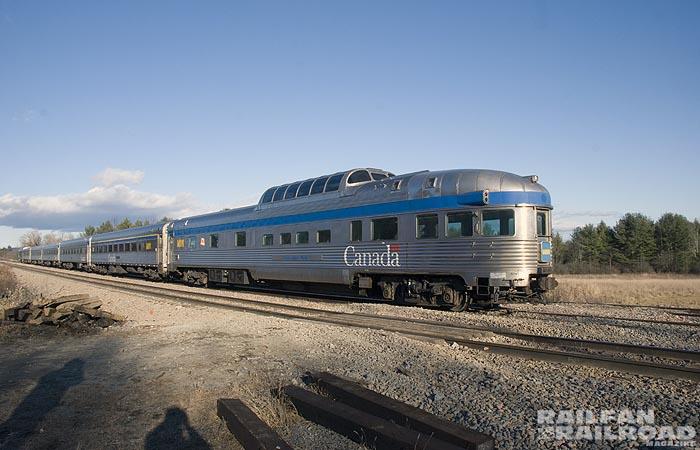
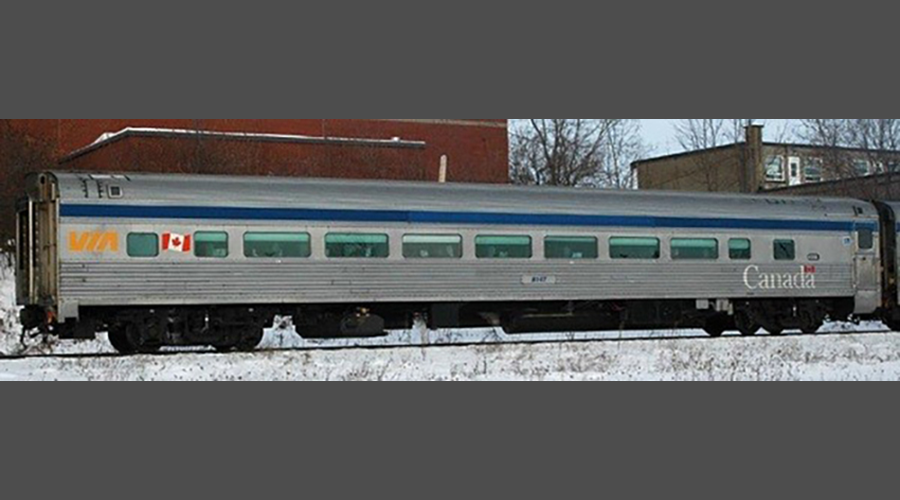
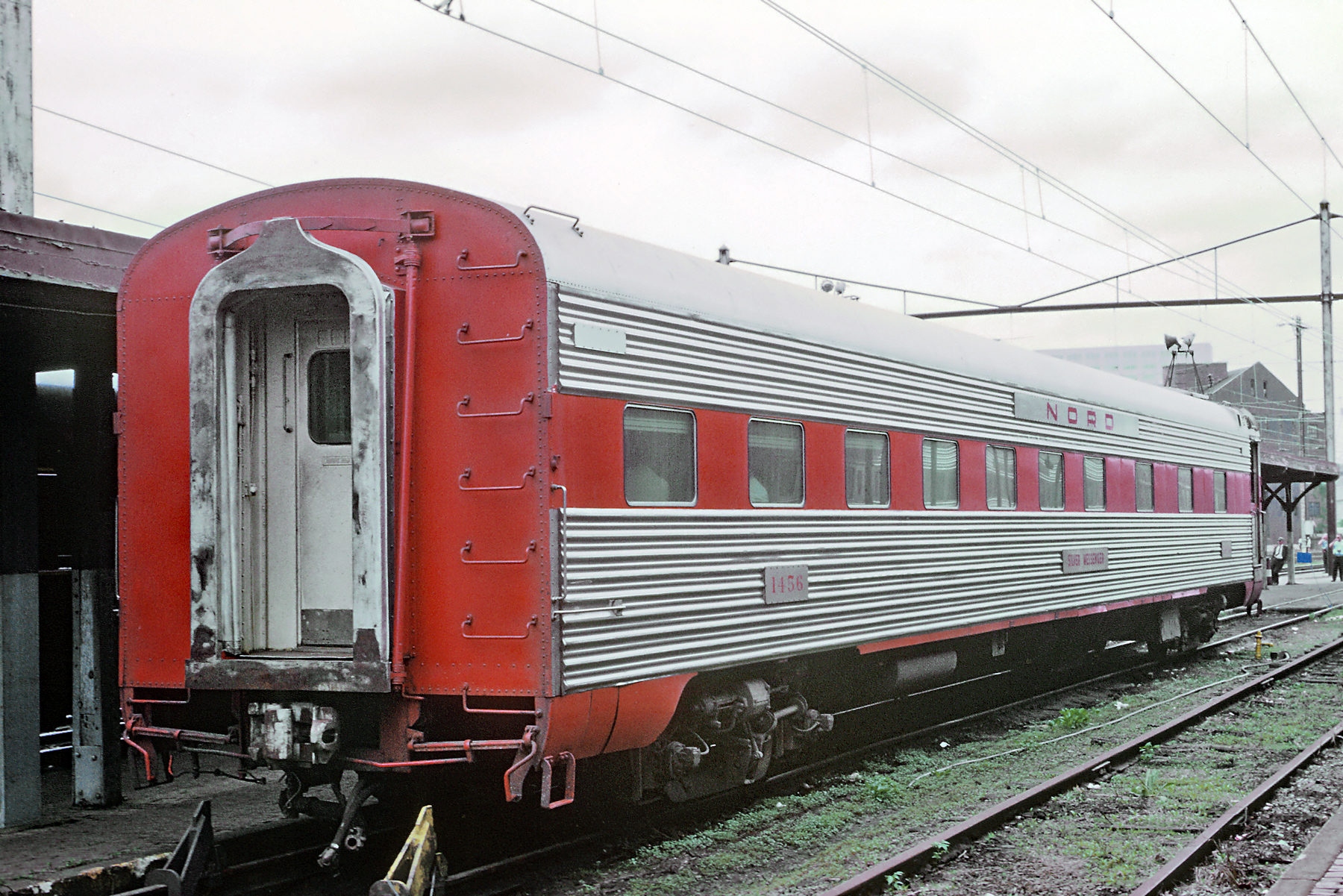

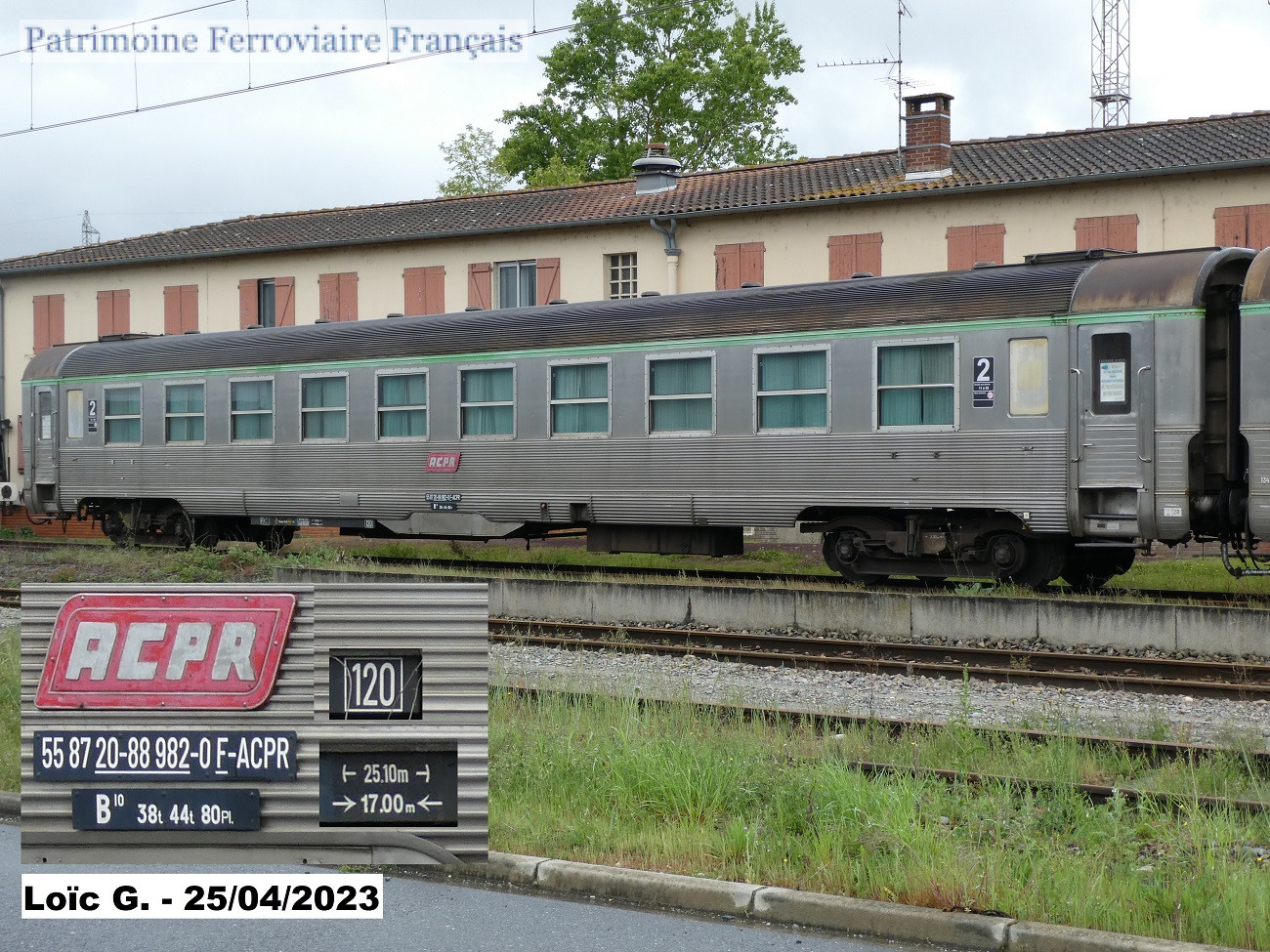
Who could possibly think that's a good idea?