> if you want a metal which will not tarnish you need pure (not Jewellery grade) Gold or Platinum
That’s taking things a bit far. These don’t oxidise but there are other metals that won’t corrode (in normal conditions) because they form a protective passive layer like titanium, chromium or aluminium. Stainless steel behaves like that and some grade are almost impossible to corrode under normal conditions. Getting the right steel for the kind of conditions a car would see is not a new problem and we’ve had good solutions for decades. There were stainless steel train carriages in the 1960s, for example. These were pristine after much more than a couple of months and were not washed every other day.
> One thing about your sink: You probably clean it.
The kitchen sink is a good example. It should not rust if you leave water in it for a month, even though a stainless steel knife might get pitted after a couple of times in a dishwasher. The alloys are not the same, and the conditions are different. The knife requires some mechanical properties whilst corrosion resistance is more important for the sink. The number of times you wash your sink does not matter.
All the train cars I can think of were painted, except for some bulk carriers, and usually the bulk carriers I've seen were brown with rust (is that what Cybertruck customers were looking for?) except for the parts covered in graffiti (i.e. paint although not methodically applied). The Cybertruck deliberately isn't painted, presumably this makes it look more "Cyber".
And passenger trains are washed pretty often, it might be as infrequently as once or twice a week (?), but they get washed, that's why they have automated train washing, the train driver just drives through at a slow pace and the machine does the work.
I live next to an ocean, I reckon if "We can use just a steel grade which avoids corrosion" was even an option some the vessels here would just be made of that steel, instead of painted, and yet every single metal vessel I've seen here (the sailing boats and speedboats are often fibreglass) was painted. So if the right grade of steel exists apparently you can't use it to make boats.
> usually the bulk carriers I've seen were brown with rust
Most of the time it’s dust but yes, eventually they rust. It’s also most of the time not stainless steel, because it does not have the right mechanical properties and would be way too expensive for no good reason, considering that they are coated and painted anyway. They also take insane amounts of abuse and it takes decades and a complete lack of maintenance for rust to appear. There really is absolutely no excuse for this in a months-old cars, this is not a case of “duh, everything corrodes”.
> The Cybertruck deliberately isn't painted, presumably this makes it look more "Cyber".
Which is doubly stupid because there are plenty of surface coatings that would give the same look or something equally sci-fi. But then Elon does not know a thing about materials, so it’s not surprising.
> And passenger trains are washed pretty often, it might be as infrequently as once or twice a week (?), but they get washed, that's why they have automated train washing, the train driver just drives through at a slow pace and the machine does the work.
I guarantee you that they do not do it once a week, at least not in most of the world. You can tell by the layers of dust that accumulate.
> live next to an ocean, I reckon if "We can use just a steel grade which avoids corrosion" was even an option some the vessels here would just be made of that steel, instead of painted, and yet every single metal vessel I've seen here (the sailing boats and speedboats are often fibreglass) was painted.
Because, as I said, stainless steel can have fantastic corrosion resistance, but terrible properties otherwise. A ship’s hull needs strong structural integrity, which a sheet of stainless steel is not going to provide. It also needs to be reasonably cheap, which, again, is not the strong suit of high quality stainless steel.
So instead a better alloy is used, and protection is provided by coatings. Just like in cars that were not designed by a maniac.
> So if the right grade of steel exists apparently you can't use it to make boats.
That’s exactly the point. But we don’t use them for ships for other reason than “corrosion resistance is a myth”. If they wanted to use a decent stainless steel in the cybertruck, they could have done it. But they did not, so they made compromises, which results in panels that are too stiff to be adjusted properly, huge gaps, and bad durability.


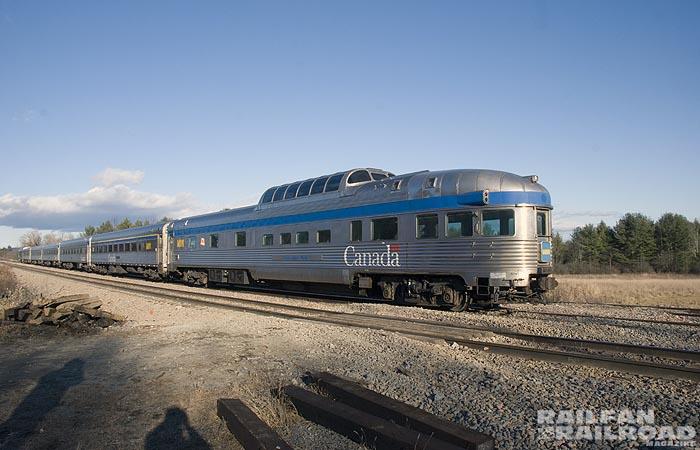
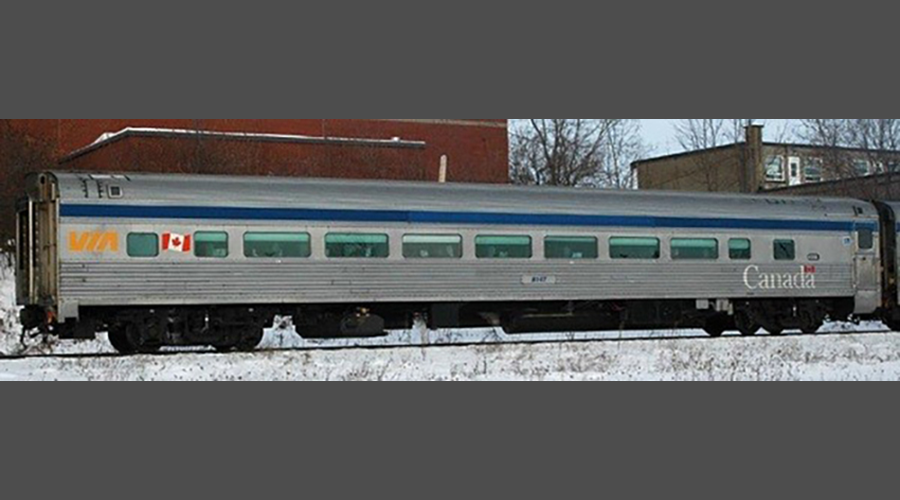
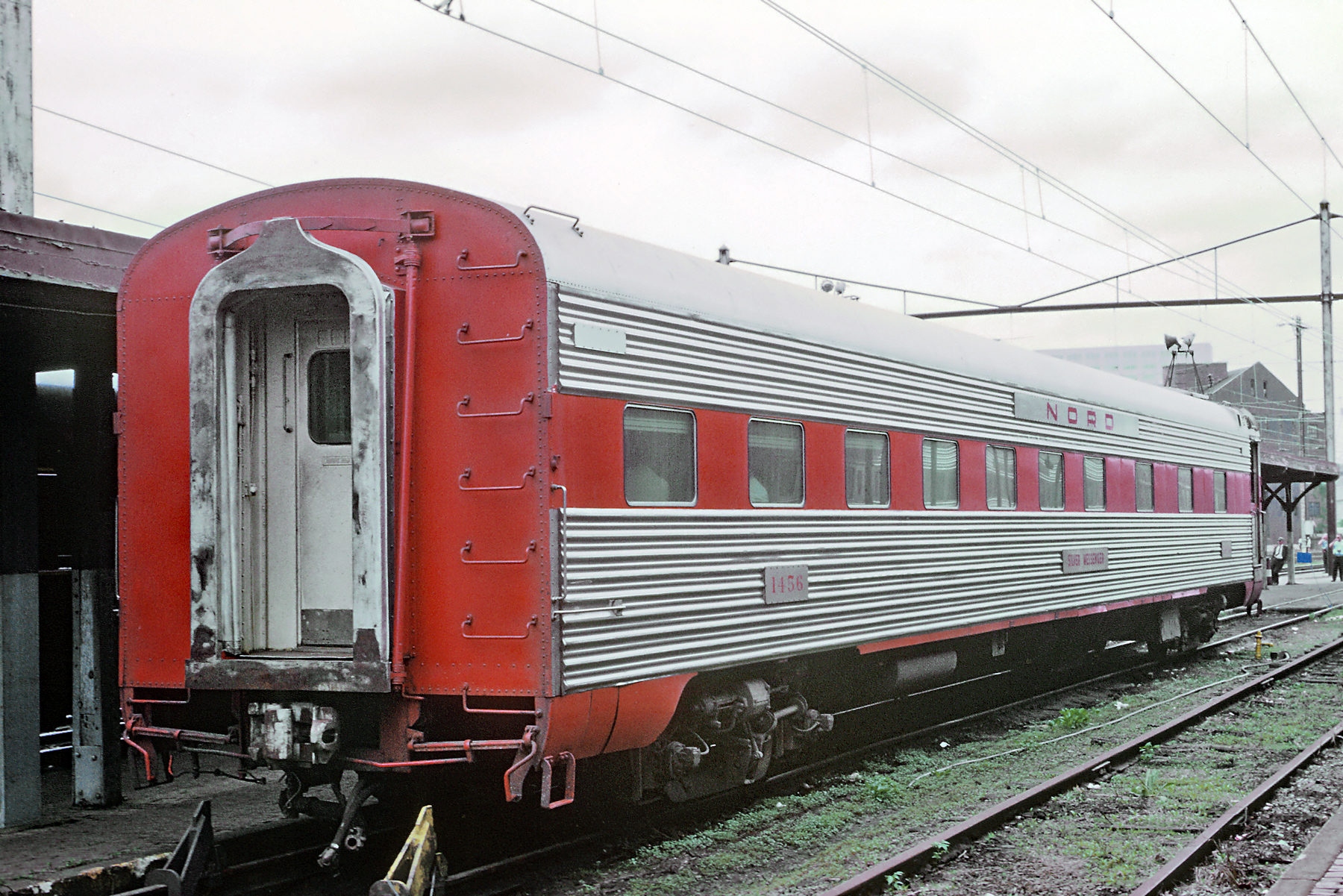

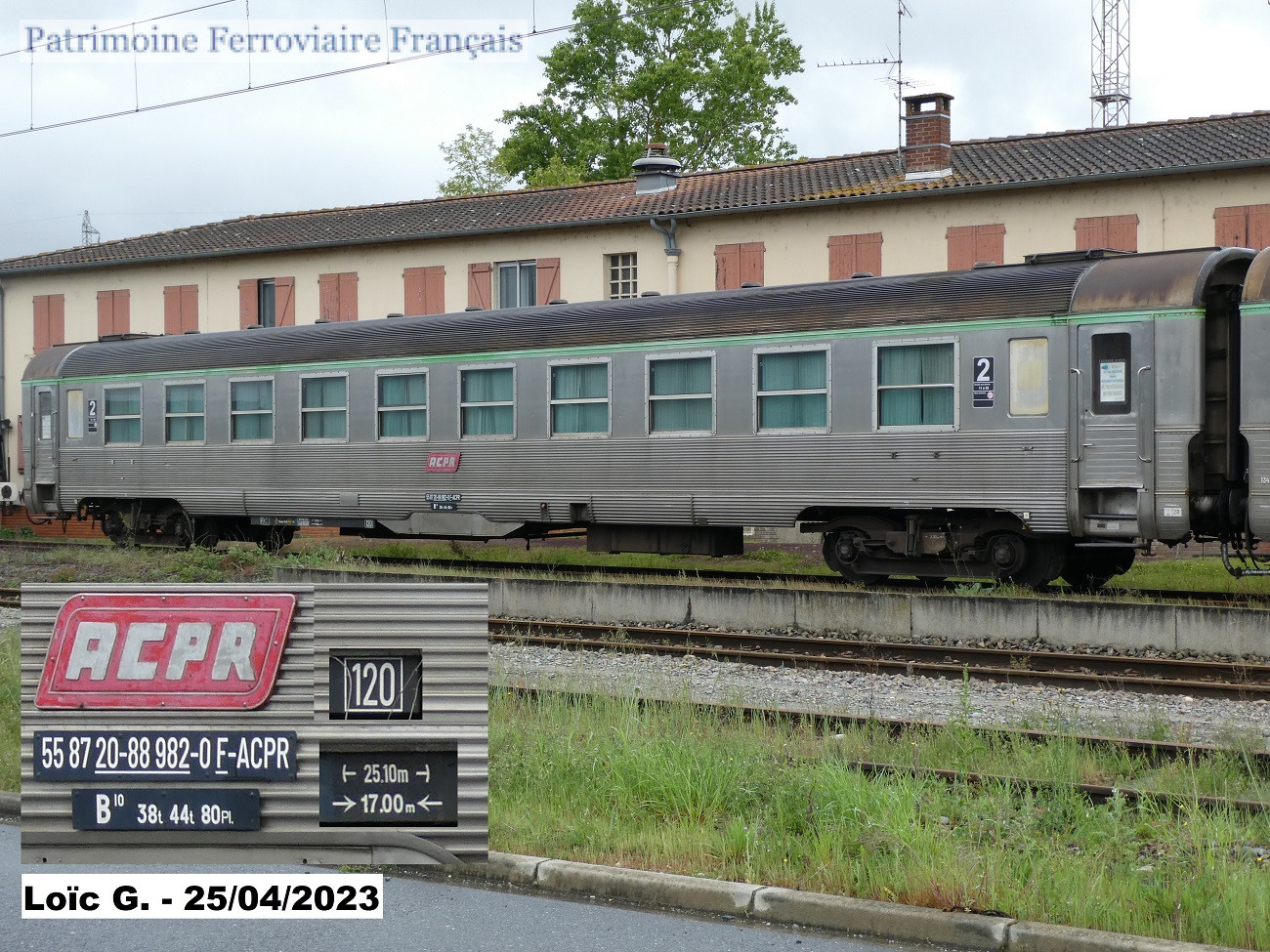
That’s taking things a bit far. These don’t oxidise but there are other metals that won’t corrode (in normal conditions) because they form a protective passive layer like titanium, chromium or aluminium. Stainless steel behaves like that and some grade are almost impossible to corrode under normal conditions. Getting the right steel for the kind of conditions a car would see is not a new problem and we’ve had good solutions for decades. There were stainless steel train carriages in the 1960s, for example. These were pristine after much more than a couple of months and were not washed every other day.
> One thing about your sink: You probably clean it.
The kitchen sink is a good example. It should not rust if you leave water in it for a month, even though a stainless steel knife might get pitted after a couple of times in a dishwasher. The alloys are not the same, and the conditions are different. The knife requires some mechanical properties whilst corrosion resistance is more important for the sink. The number of times you wash your sink does not matter.