This is fascinating that there is actually hard evidence for this, but it's not surprising to me given my own experiences.
When I first started out as an "intermediate" software developer (after a couple years as doing contract work) I was poached twice within a year of taking a position, both times the offers were at least 30% higher, an amount my existing employers where highly unlikely to match (in fact in the second case I knew this because I had already attempted to negotiate a salary increase with them before leaving).
These were, as they say, offers I couldn't refuse. To financially cripple myself for the sake of loyalty would have been stupid. Moreover I felt it would also be stupid to remain with an organization that clearly had broken retention policies for employees.
What's somewhat surprising is that this occurred in Vancouver, a city that is notorious for low pay in the tech sector. Nowadays, if I wasn't doing my own startup I'm quite certain I would have received another offer of at least a 50% increase by now.
As a potential employer now I'm trying to figure out how best to ensure that I'm not making the same mistakes I saw at the places I worked for. Best as I can figure out, at least in Vancouver, this means paying salaries that exceed expectations and typical local numbers and look more like what people would be getting if they looked outside of Vancouver. I think this also means regular raises and bonuses so people don't feel like staying is going to hurt them financially.
Have you seen any of Daniel Pink's work on what motivates people in business? It might inspire you to focus on other incentives than just pay salary increases.
That's great. Really. Then you get invited to the company holiday party at the CEO's house. Meet his six children who are in college and traveling the world. Then you realize you and hundreds of others paid for that by living in a rental townhouse. True story.
There's no amount of motivation for me that will make up for a raw deal in pay.
One is not likely to get to the same place in life as that CEO. You can stop the sentence there. The rest of your statement makes you sound judgmental against job-hopping.
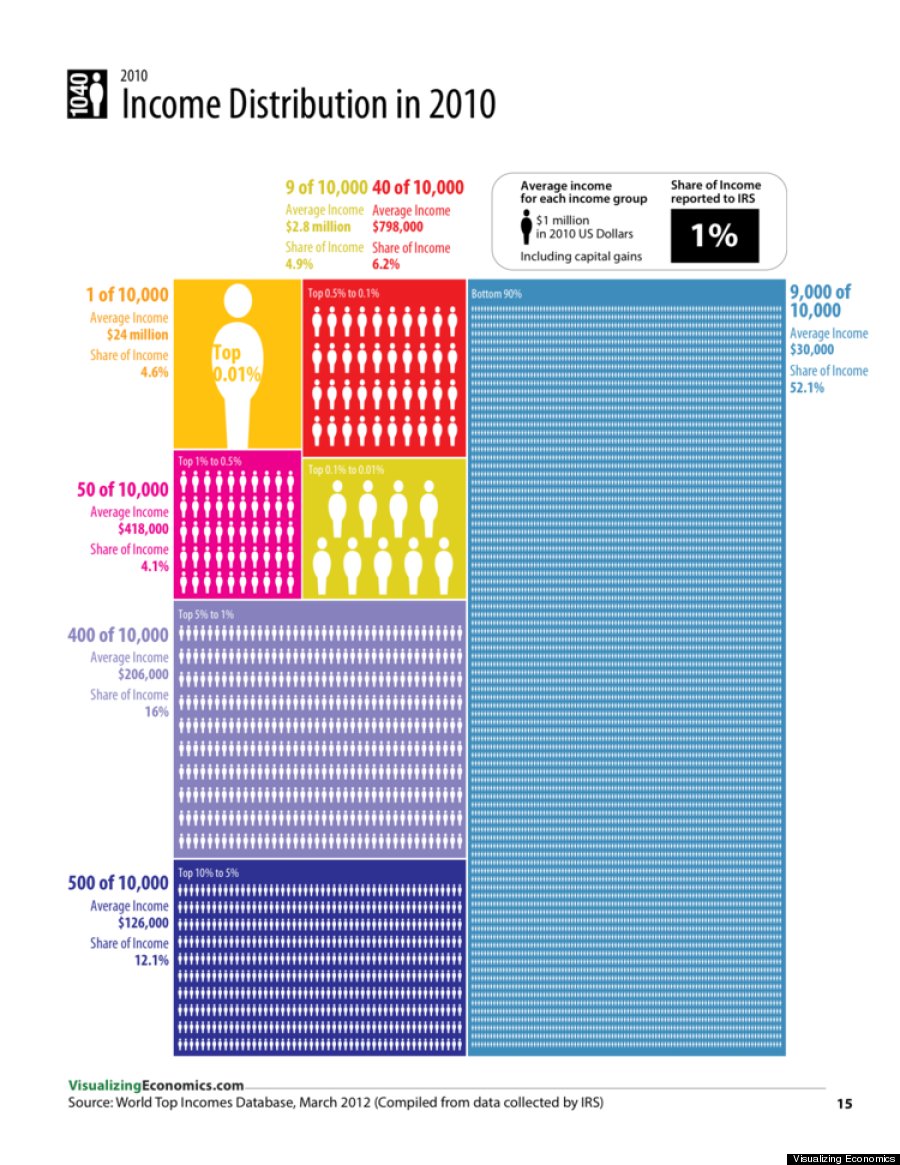
Capital distribution in the US is a Paretian/long tail distribution. It is statistically very unlikely for anyone, regardless of their actions, to get to the same place in life as that CEO if they are from anywhere in the bottom 90%.
Fair. I had originally wrote "One will not get to the same place...", but wanted to modify it to allow for exceptional cases. Went too far modifying it.
I agree that nearly everybody is unlikely to reach the same place in life as that CEO. If that were not the case, truly we would be living in a utopia.
I haven't seen that, but the "alternative rewards" suggestion seems to comes up a lot when talking about retention. However, it's at best disingenuous if the goal of doing those things is to pay people less. You're just not fully aligned with your employees needs. I would argue that if a company really does those things well then they are also dealing with the salary issue well.
Unless the motivation of salary (read: financial independence) is taken off the table, it will always be a significant factor in employee satisfaction, in spite of other factors. The gap between staying and leaving is just far too large to ignore it.
I know someone who currently works somewhere they intensely dislike being but they pay well over the local market and while he would take somewhat of a pay cut to be somewhere else, the gap is larger than that. Perhaps when he's more financially independent this will change but for now he's still earning that independence, and working somewhere that pays well means achieving that far sooner.
Warren Buffett does not pay market salaries to his top level managers. Those managers can get a significant hike if they switch yet most stick with Buffett because they like working for him.
Though you haven't really provided anything to backup the claim that Buffet's managers stick with him (I'd honestly be interested to read more about that) I'll take it at face value, as it seems sensible. However, as a specific example this is at the extremes, to the point of being absurd really. Few, if any, companies are their industry's equivalent of Warren Buffet, nor will they ever be. That doesn't necessarily make them bad companies either.
Besides, I'd hazard a guess is that the issue of being paid "enough" is well past the point of being an issue for any of these top level managers. They are all probably almost absurdly well compensated. This doesn't disprove the assertion that for the vast majority of positions and salary ranges, differences in salary, as the article discusses are significant to the extreme. is a point below which it does make a difference.
In the end there is little real benefit to these managers to be gained from walking away from one of the best and most well known people in finance for money you don't need.
"As a potential employer now I'm trying to figure out how best to ensure that I'm not making the same mistakes I saw at the places I worked for."
Why don't you just ask them? I bet they have a huge list of stuff they dream about, and are dying to have you listen to them. You don't have to promise them anything, just give them a stress-free option to talk about what they want. And then listen to them. For the best responses, don't collect their opinions as a group, collect them individually.


When I first started out as an "intermediate" software developer (after a couple years as doing contract work) I was poached twice within a year of taking a position, both times the offers were at least 30% higher, an amount my existing employers where highly unlikely to match (in fact in the second case I knew this because I had already attempted to negotiate a salary increase with them before leaving).
These were, as they say, offers I couldn't refuse. To financially cripple myself for the sake of loyalty would have been stupid. Moreover I felt it would also be stupid to remain with an organization that clearly had broken retention policies for employees.
What's somewhat surprising is that this occurred in Vancouver, a city that is notorious for low pay in the tech sector. Nowadays, if I wasn't doing my own startup I'm quite certain I would have received another offer of at least a 50% increase by now.
As a potential employer now I'm trying to figure out how best to ensure that I'm not making the same mistakes I saw at the places I worked for. Best as I can figure out, at least in Vancouver, this means paying salaries that exceed expectations and typical local numbers and look more like what people would be getting if they looked outside of Vancouver. I think this also means regular raises and bonuses so people don't feel like staying is going to hurt them financially.